Cigar flavor profiles by country.
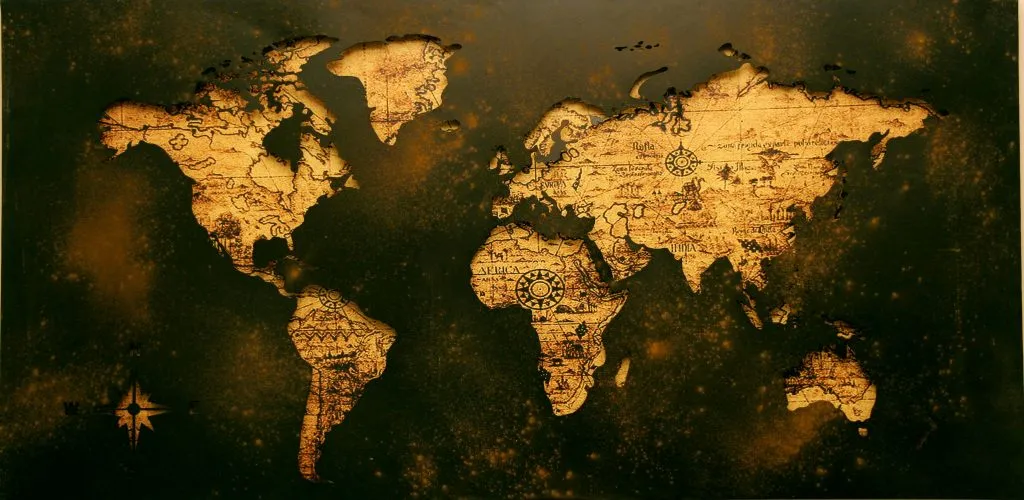
How cigars from ten countries tend to taste, in one interactive flavor chart. Pick a country to explore it, compare two side by side, or take the quiz to find your match.
Cigar flavor chart: every country side by side
The four strongest notes for each origin. Tap a card to explore it on the map.
Flavor profiles are broad tendencies based on tobacco origin, growing conditions, and common blending traditions. Individual cigars may vary significantly by seed, fermentation, aging, construction, and blend.
How cigar origin influences flavor
No two tobacco fields taste alike. The same seed planted in Nicaraguan volcanic soil and in the Dominican Cibao Valley will produce two noticeably different leaves. Origin is not destiny, but it sets the raw material every blender works with.
Soil
Volcanic, mineral rich soils tend to grow stronger, spicier leaf. Fertile river valleys favor smoother, more aromatic tobacco.
Climate
Heat and humidity drive oil production in the leaf. Natural cloud cover, as in Ecuador and Cameroon, acts like shade cloth and yields thinner, silkier wrappers.
Altitude
Higher valleys see cooler nights and slower growth, which often concentrates flavor and aroma.
Rainfall
Too much rain washes out flavor; controlled dry seasons stress the plant just enough to build character.
Seed variety
Habano, Corojo, Criollo, Connecticut, Sumatra: each seed line carries its own flavor tendencies wherever it is planted.
Fermentation
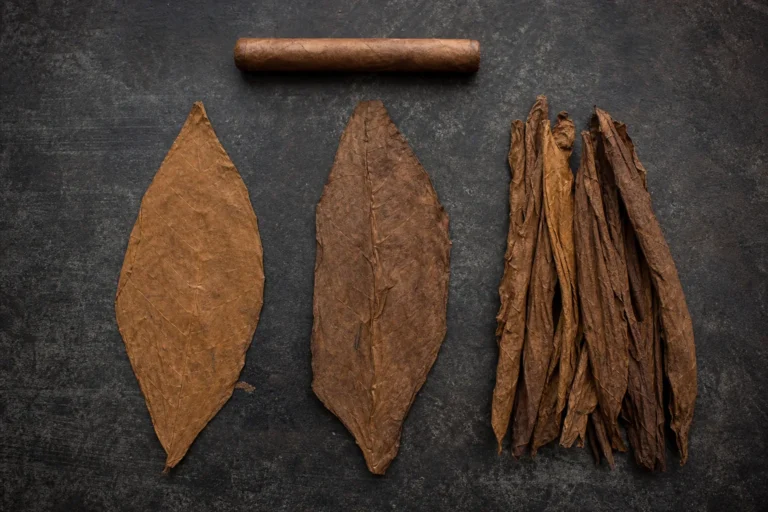
Months of controlled heat in tobacco pilones transform harsh raw leaf into cocoa, coffee, and sweetness. Deeper fermentation means darker, sweeter leaf.
Aging
Years in bales mellow edges and marry flavors. Young tobacco bites; aged tobacco rounds out.
Blending
Most cigars mix leaf from several countries. The blender chooses which origin leads and which plays support.
Nicaraguan cigars
Complete cigarsNicaragua's volcanic soil grows some of the most powerful tobacco in the world, and the country has become the engine of the modern boutique cigar movement. Expect black pepper, dark earth, cocoa, and espresso, often with a mineral edge that reads almost stony on the palate.
The three main valleys each contribute a different voice: Estelí brings power and spice, Jalapa brings sweetness and aroma, and Condega sits in between. Many celebrated Nicaraguan puros blend all three.
Our pick: My Father Le Bijou 1922. A Nicaraguan puro: Nicaraguan Habano wrapper over Nicaraguan binder and filler. Full strength.
Dominican cigars
Complete cigarsThe Dominican Republic was long the world’s leading premium cigar producer and is still one of the biggest, and its house style leans refined: cream, cedar, roasted nuts, and gentle sweetness. The Cibao Valley around Santiago is the heart of production, growing the Piloto Cubano and Olor Dominicano filler varieties behind many classic mild to medium blends.
Dominican tobacco rewards patience. Its subtlety made it the standard for elegant, balanced cigars long before stronger styles came into fashion, and modern Dominican puros can run fuller than the old reputation suggests.
Our pick: Arturo Fuente Don Carlos. Cameroon wrapper over Dominican binder and filler. Medium to full strength.
Cuban cigars
Complete cigarsCuba remains the most famous name in cigars. Its western Vuelta Abajo region, in Pinar del Río province, is arguably the most celebrated tobacco terroir in the world. Cuban cigars are puros, rolled entirely from Cuban leaf, and share a recognizable profile smokers call twang: earth, leather, cedar, honeyed sweetness, and baking spice.
The style is less about raw strength than aroma and complexity. Most Cuban cigars sit medium to full, with the intensity coming from flavor concentration rather than nicotine alone.
Honduran cigars
Complete cigarsHonduran tobacco tends to be rich, rustic, and direct: earth, leather, wood, and spice with less overt sweetness than Nicaraguan or Dominican leaf. The Jamastrán Valley near Danlí is the center of production, with additional growing around Copán and the Talanga Valley.
Honduras often plays the sturdy backbone in multi country blends, and all-Honduran puros deliver a satisfying old school profile prized by full flavor smokers.
Our pick: Plasencia Cosecha 149. A Honduran puro: wrapper, binder and filler all grown in Honduras. Medium to full strength.
Ecuadorian tobacco
Wrapper leafEcuador is a special case: its fame comes from wrapper leaf rather than complete cigars. A near permanent cloud layer over the growing plains acts as natural shade, producing thin, elastic, evenly colored wrappers without artificial cheesecloth tents.
Ecuadorian Connecticut delivers a creamy, mild smoke; Ecuadorian Habano adds spice and body; Ecuadorian Sumatra sits in between with woody sweetness. Check the wrapper line on almost any modern cigar and there is a good chance it was grown in Ecuador.
Our pick: Highclere Castle Edwardian. Ecuadorian Connecticut wrapper, Brazilian Mata Fina binder and Nicaraguan filler. Medium strength.
Shop wrappers: Ecuadorian Connecticut · Ecuadorian Habano · Ecuadorian Sumatra
Mexican tobacco
Maduro wrapperMexican cigar tobacco means the San Andrés Valley in Veracruz, where the native negro seed grows thick, dark, toothy leaf on volcanic soil. After long fermentation it becomes one of the world's great maduro wrappers: earthy, cocoa rich, and gently bittersweet.
Once dismissed as rustic, San Andrés maduro is now a signature of many acclaimed modern releases, prized for the chocolate and coffee depth it layers over Nicaraguan or Honduran fillers.
Our pick: El Pulpo. Mexican San Andrés wrapper over Nicaraguan binder and filler. Medium to full strength.
Brazilian tobacco
Maduro wrapperBrazil's cigar leaf comes mainly from the Recôncavo basin in Bahia, where Mata Fina tobacco ferments naturally dark and sweet: cocoa, coffee, and dried fruit at moderate strength. Arapiraca leaf from Alagoas runs heartier and earthier.
Brazilian tobacco most often appears as a maduro wrapper or a sweet, dark filler component in blends from Nicaragua, the Dominican Republic, and Europe.
Our pick: Brick House Maduro. Brazilian Arapiraca maduro wrapper over Nicaraguan binder and filler. Full strength.
Cameroon tobacco
Wrapper leafCameroon wrapper is one of the most distinctive leaves in the industry: thin, delicate, and covered in fine tooth, grown under natural cloud cover in eastern Cameroon and the neighboring Central African Republic. The flavor is toasty and quietly sweet, with baking spice and soft pepper.
Because the leaf is fragile and the crop small, genuine Cameroon wrapper remains scarce, which is part of its mystique on the handful of classic blends that use it.
Our pick: Arturo Fuente Hemingway. Cameroon wrapper over Dominican binder and filler. Medium strength.
Indonesian tobacco
Wrapper and binderIndonesia has exported cigar leaf since the Dutch colonial era. Sumatra seed wrapper, first grown in the Deli region, is mild, woody, and lightly sweet with soft spice. Besuki leaf from East Java is a workhorse binder and wrapper across the industry, especially in European cigars.
Indonesian leaf rarely headlines a blend, but it quietly shapes an enormous number of cigars, and Sumatra seed now grows in Ecuador and elsewhere under the same name.