Cigar Strength vs. Flavor: What’s the Difference?
A cigar can deliver deep, concentrated flavor without carrying overwhelming nicotine strength. Learning the difference makes choosing your next cigar much easier.
Cigar strength vs. flavor is the difference between how strongly a cigar affects your body and what you taste while smoking it. Strength refers to nicotine impact. Flavor describes notes such as cedar, pepper, earth, cream, coffee, nuts, or sweetness. A cigar can be mild in strength and still be very flavorful.
Body is a third term that often creates confusion. It describes the weight, richness, or intensity of the smoke on your palate. Because cigar smokers and manufacturers don’t always use these words identically, it helps to ask what someone means when they call a cigar “full.”
The short answer
| Term | What it describes | Common descriptions |
|---|---|---|
| Strength | The cigar’s physical nicotine impact | Mild, medium, full |
| Flavor | The recognizable tastes and aromas | Cedar, cocoa, pepper, cream, earth |
| Body | The weight and intensity of the smoke | Light, medium, full |
| Finish | What remains after the smoke leaves your mouth | Short, clean, long, sweet, peppery |
Think about coffee. A dark, rich cup can have intense roasted flavor without containing more caffeine than every lighter-tasting coffee. Cigars work differently in the details, but the comparison helps separate sensory intensity from physical strength.
What is cigar strength?
Cigar strength is the physical effect of nicotine. A mild cigar has a gentler impact. A full-strength cigar can feel much more noticeable, especially to a newer smoker or someone smoking quickly.
Possible signs that a cigar is stronger than you expected include lightheadedness, nausea, sweating, or feeling unwell. Stop smoking if that happens. Don’t force yourself to finish. Seek medical help if symptoms are severe or don’t improve.
Nicotine is present throughout the cigar, not only in the wrapper. The filler blend usually has the greatest influence because it makes up most of the tobacco. Leaf position, seed, growing region, fermentation, aging, and the amount of each tobacco in the blend all matter.
What is cigar flavor?
Flavor is what you perceive through taste and aroma. Cigar smokers commonly describe wood, nuts, cream, earth, leather, coffee, cocoa, baking spice, pepper, fruit, or natural sweetness. These descriptions are comparisons, not added ingredients in a traditional non-flavored premium cigar.
You don’t need to identify a long list of specific notes to understand flavor. Start with broad questions:
- Is the cigar sweet, savory, or dry?
- Does it feel creamy, earthy, woody, or spicy?
- Is the flavor clean or muddled?
- Does it change as the cigar progresses?
- Does the finish disappear quickly or linger?
Your references will become more specific with experience. If you only taste tobacco and pepper at first, nothing is wrong. Palate development comes from paying attention and comparing familiar cigars.
Interactive flavor map
Where each country’s flavor comes from
Tap a country on the map to see its top flavors, strength and body.
What does cigar body mean?
Body describes how substantial the smoke feels. A light-bodied cigar may feel delicate, airy, or restrained. A full-bodied cigar may feel dense, coating, rich, or intense on the palate.
Body and strength often rise together, which is why people use the terms interchangeably. They don’t have to. A cigar can produce dense, full-bodied smoke while remaining moderate in nicotine strength. Another cigar can taste relatively straightforward yet carry a strong physical kick.
Can a mild cigar have full flavor?
Yes. Mild describes strength, not a lack of character. A well-blended mild cigar can deliver cream, cedar, toasted nuts, coffee, vanilla, spice, and sweetness without feeling physically heavy.
This is why “mild” should not be treated as another word for boring. Jay usually prefers full-bodied cigars, but still enjoys a refined mild cigar with morning coffee when the flavor and balance are there. The Montecristo White Series Toro review is a good example of that style.
Does wrapper color reveal strength?
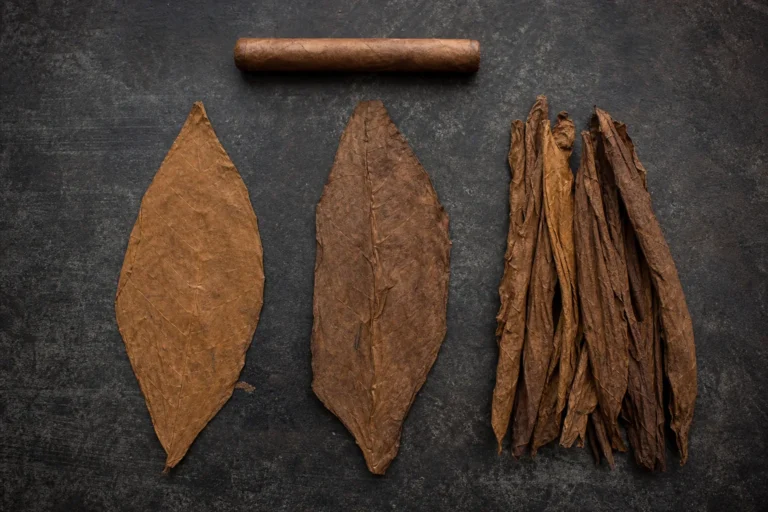
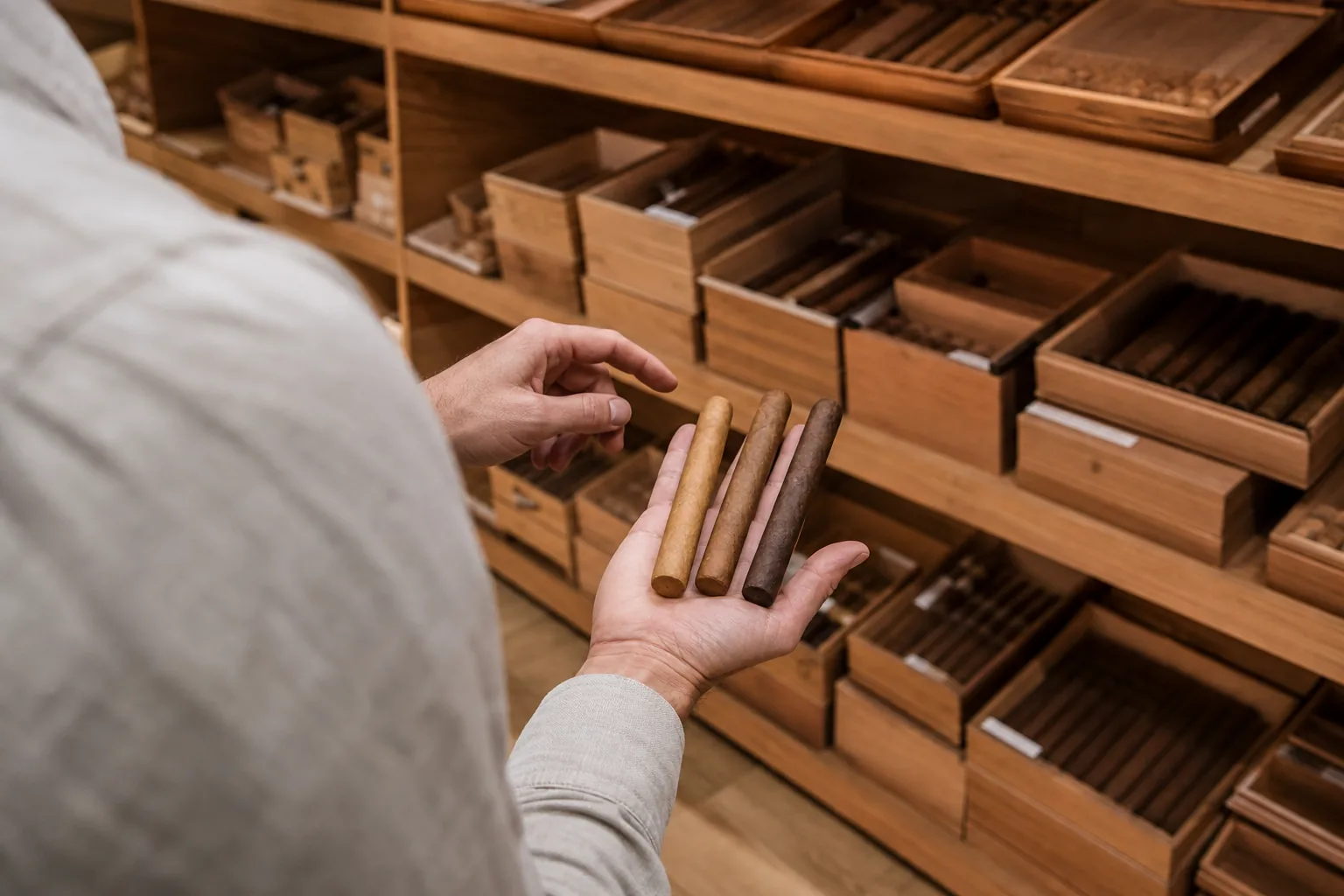
No. A dark wrapper isn’t automatically stronger, and a pale wrapper isn’t automatically mild. Color tells you something about the wrapper’s variety and processing, but it doesn’t reveal the entire blend.
A dark Connecticut Broadleaf or Mexican San Andrés wrapper can bring earth, sweetness, cocoa, or spice without determining the cigar’s total nicotine strength by itself. A light-looking cigar can contain powerful filler tobacco beneath the wrapper.
Read the maker’s strength description, ask the retailer, and consider the complete blend. Our guide to wrapper, binder, and filler explains why no single leaf tells the whole story.
Mild, medium, and full strength explained
Mild strength. A gentler physical impact that’s often easier for a beginner, morning smoke, or relaxed coffee pairing.
Medium strength. Noticeable nicotine presence without the intensity associated with the strongest blends. This broad middle category covers many premium cigars.
Full strength. A pronounced physical effect that can become uncomfortable when the cigar is smoked too quickly or exceeds the smoker’s tolerance.
These categories are relative, not laboratory measurements printed on every box. One manufacturer’s medium-full may feel like another brand’s full. Your own tolerance, smoking pace, and recent food or nicotine exposure also affect perception.
How smoking pace affects perceived strength and flavor
Puffing too frequently raises the cigar’s temperature. Heat can make pepper, bitterness, and char dominate the blend, making the cigar seem more aggressive than intended. Faster smoking can also deliver nicotine more quickly.
Use a relaxed pace and let the cigar rest between draws. Our guide to smoking a cigar slowly explains how to keep the burn steady without overheating the tobacco.
How to choose the right strength
- Be honest about your experience. There’s no prize for choosing the strongest cigar.
- Describe flavors you already enjoy. Coffee, nuts, cocoa, wood, cream, pepper, and sweetness give a retailer useful direction.
- Separate flavor intensity from nicotine. Ask for a flavorful mild or medium cigar if you want complexity without a heavy physical effect.
- Consider the occasion. A morning coffee, long dinner, or late smoke may call for different strength.
- Choose a manageable size. A long, strong cigar creates a larger commitment than a shorter one.
- Stop when the experience stops being enjoyable. You never need to finish a cigar to prove that you can handle it.
If you’re choosing your first premium cigar, start with our beginner’s guide to premium cigars. It connects strength with size, storage, cutting, lighting, and smoking pace.
The practical answer
Strength is how the nicotine affects you. Flavor is what you taste and smell. Body is how rich or weighty the smoke feels. They influence one another, but they aren’t the same. Choose the flavor profile you want at a strength you can enjoy comfortably.
Health note: Information about nicotine and cigar-smoke exposure was checked against the CDC’s cigar guidance. Cigar terminology was also compared with Davidoff’s cigar glossary.