Long Filler vs Short Filler Cigars: What’s the Difference?
Long filler and short filler describe what is inside a cigar, not just its price. Here’s how construction changes the burn, flavor, consistency, and buying experience.
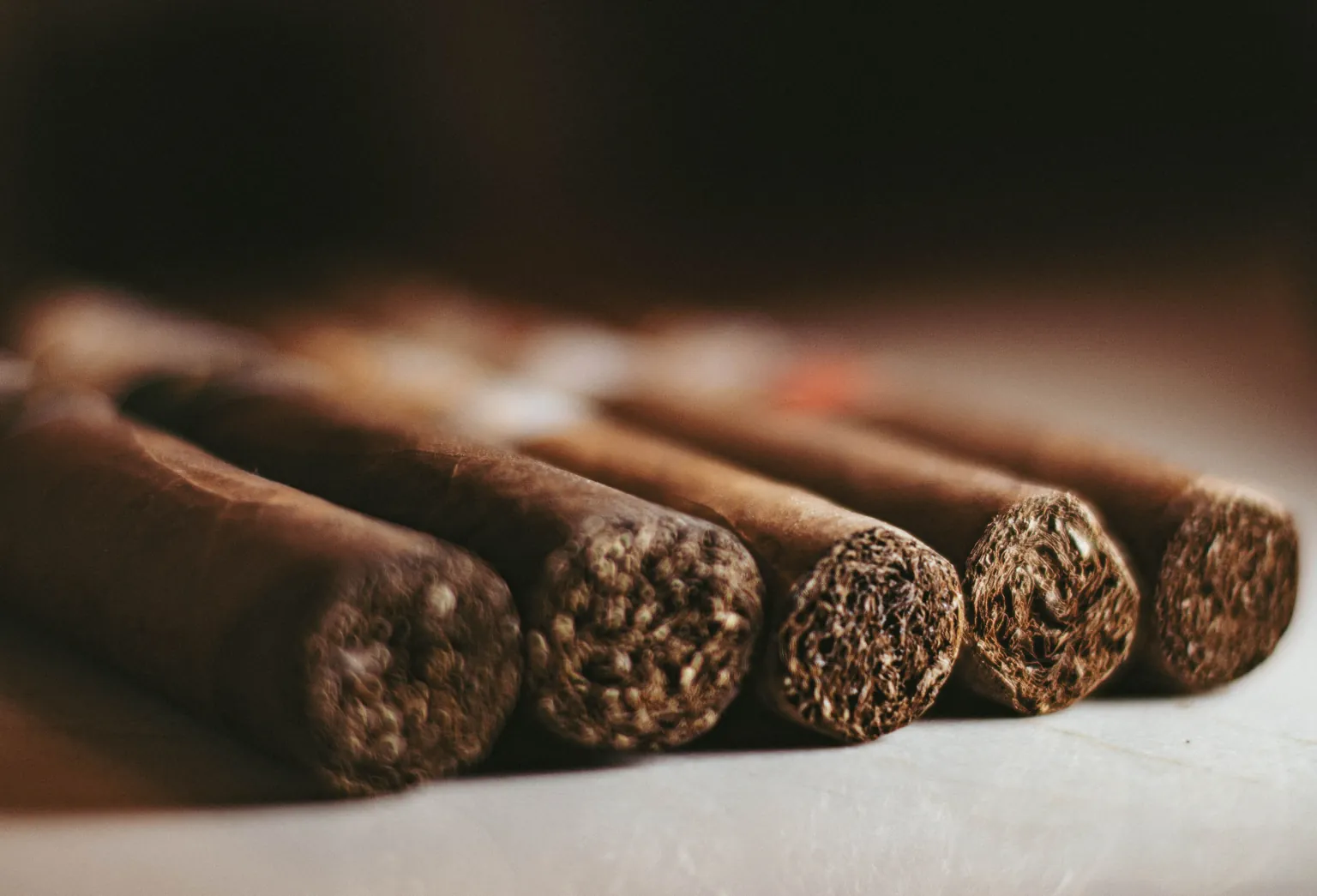
Long filler vs short filler cigars differ mainly in the form of tobacco used inside the cigar. Long-filler cigars use whole leaves that extend through most or all of the cigar. Short-filler cigars use smaller pieces of tobacco. Mixed-filler cigars combine the two.
That difference affects how a cigar is made, what it costs, the kind of ash it produces, and often how it burns and develops in flavor. It’s useful information for a beginner, but filler type should not be treated as the only measure of whether a cigar is worth smoking.
Long filler vs short filler in simple terms
- Long filler: whole tobacco leaves arranged through the length of the cigar.
- Short filler: smaller or chopped pieces of tobacco used inside the cigar.
- Mixed filler: a combination of long leaves and shorter pieces.
Most handmade premium cigars are made with long filler. Short filler is common in machine-made cigars, cigarillos, value cigars, and some smaller formats. Mixed-filler cigars are sometimes called Cuban sandwiches, although the term describes construction and doesn’t mean the tobacco is Cuban.
What is a long-filler cigar?
A long-filler cigar contains full tobacco leaves that run through most or all of the cigar’s length. A buncher arranges several leaves to create the center of the cigar, then surrounds them with a binder.
The leaves may come from different parts of the tobacco plant, different farms, or even different countries. Their placement helps the blender manage strength, flavor, aroma, combustion, and airflow.
Long-filler construction requires care because the leaves can’t simply be packed together. If the bunch is too tight, the cigar may be difficult to draw through. If it’s too loose, it may burn quickly, feel soft, or develop an unstable burn.
After the bunch is shaped in a mold, a wrapper leaf is applied by hand. Our guide to how cigars are made explains the entire process from the tobacco field to the finished box.
What is a short-filler cigar?
A short-filler cigar uses smaller pieces of tobacco rather than complete leaves running through the full body of the cigar. These pieces may be created intentionally, produced while trimming long leaves, or collected from other parts of cigar production.
Calling all short filler scraps can be misleading. Some short-filler cigars use perfectly usable pieces of quality tobacco. The construction is different, but the tobacco isn’t automatically dirty, defective, or flavorless.
Short filler is easier to portion and can work efficiently in machine production. It also makes it possible to produce affordable cigars and use tobacco that would otherwise be wasted.
Because the interior contains many smaller pieces, the ash is usually more fragile. Small tobacco particles can sometimes reach the mouth, especially if the cigar is cut aggressively or constructed without an effective barrier near the head.
What is a mixed-filler cigar?
Mixed filler combines longer leaves with smaller tobacco pieces. This construction attempts to capture some of the structure of long filler while controlling cost and making efficient use of tobacco.
You may hear mixed-filler cigars described as Cuban sandwiches. Despite the name, this doesn’t indicate Cuban origin. It refers to shorter tobacco placed between or alongside longer leaves.
A mixed-filler cigar can provide an enjoyable everyday smoke. It should not be represented as identical to a traditional all-long-filler premium cigar, but it also should not be dismissed without considering the blend, construction, price, and occasion.
Long filler vs short filler comparison
| Factor | Long filler | Short filler |
|---|---|---|
| Tobacco form | Whole leaves | Smaller or chopped pieces |
| Typical production | Handmade premium cigars | Often machine-made or value cigars |
| Burn rate | Usually slower | Often faster |
| Ash | Usually firmer | Usually more fragile |
| Flavor development | Often more gradual and layered | Often more direct |
| Price | Usually higher | Usually lower |
| Consistency | Depends heavily on bunching and rolling | Depends on cut, distribution, and production |
These are tendencies, not guarantees. A poorly rolled long-filler cigar can burn worse than a well-made short-filler cigar. Storage condition also has a major effect on both.
How filler construction affects the burn
Whole leaves run the length of the cigar, so air travels along continuous channels rather than through a maze of loose ends. That’s why a well bunched long-filler cigar draws evenly and holds a slow, cool burn.
Short filler is chopped, so it packs with more cut edges and small air pockets. Those gaps feed the ember more oxygen, which is why short-filler cigars tend to burn faster and hotter. Same reason kindling catches quicker than a log.
Neither style is immune to burn problems. If a cigar is burning badly, humidity is the first thing to check, not the filler.
Does long filler provide more flavor?
Long filler lets a blender decide exactly where each leaf sits. That control is what produces a cigar that changes as it burns, opening one way and finishing another.
Short-filler cigars often present flavor more directly because the smaller pieces are distributed throughout the interior. Some can become hotter or less refined toward the end, but that isn’t a rule for every cigar.
Filler length doesn’t determine the actual flavor profile. Seed variety, origin, priming, fermentation, aging, wrapper, binder, blend, storage, and construction all matter.
Why long-filler cigars usually cost more
Long-filler production requires whole leaves in suitable condition and skilled labor to sort, bunch, mold, and roll the cigar. The tobacco also occupies storage space during fermentation and aging, and wrapper-quality leaves require careful handling.
Short filler can be portioned more efficiently, produced faster, and used in automated or partially automated processes. It also allows manufacturers to use smaller pieces created during premium-cigar production.
The price difference reflects labor, material selection, production time, aging, packaging, distribution, brand positioning, and supply. Long filler is one quality signal, but it isn’t the only reason one cigar costs more than another.
How can you tell which filler a cigar uses?
You often can’t identify filler construction by looking at an intact cigar. A smooth wrapper and attractive band don’t reveal what is inside.
Start with the manufacturer’s description or a knowledgeable retailer. Look for terms such as handmade, long filler, mixed filler, sandwich, machine made, or short filler.
Price can offer a clue, but it isn’t proof. Some affordable handmade cigars use long filler, and some expensive packaging can surround a simpler product.
Cutting a cigar open would reveal its construction, but destroying a cigar is unnecessary when trustworthy product information is available.
Which filler should a beginner choose?
For someone learning what premium cigars can offer, I usually recommend starting with a properly stored, well-constructed long-filler cigar. It provides a useful reference point for draw, burn, texture, and flavor development.
That doesn’t mean a beginner must avoid every short or mixed-filler cigar. An affordable mixed-filler smoke may make sense when time is limited, when you want something casual, or when the blend has a good reputation at its price.
The important thing is knowing what you’re buying. A cigar should be judged in the context of its construction, condition, price, and intended experience.
Long filler is important, but it isn’t everything
Long filler is one of the defining features of most handmade premium cigars. It supports the kind of construction and blending that many cigar smokers value. Still, the words long filler don’t guarantee perfect rolling, excellent tobacco, correct storage, or a flavor profile you’ll enjoy.
Short and mixed filler serve different purposes. They can make cigars more affordable and provide practical options for casual or shorter smoking occasions.
If you’re just beginning, our guide to premium cigars for beginners covers choosing, cutting, lighting, pacing, and storage in one place.