
Premium Cigars for Beginners: A Straightforward Guide
New to premium cigars? Start with the choices and techniques that make a first smoke easier, from strength and size to cutting, lighting, pacing, and storage.
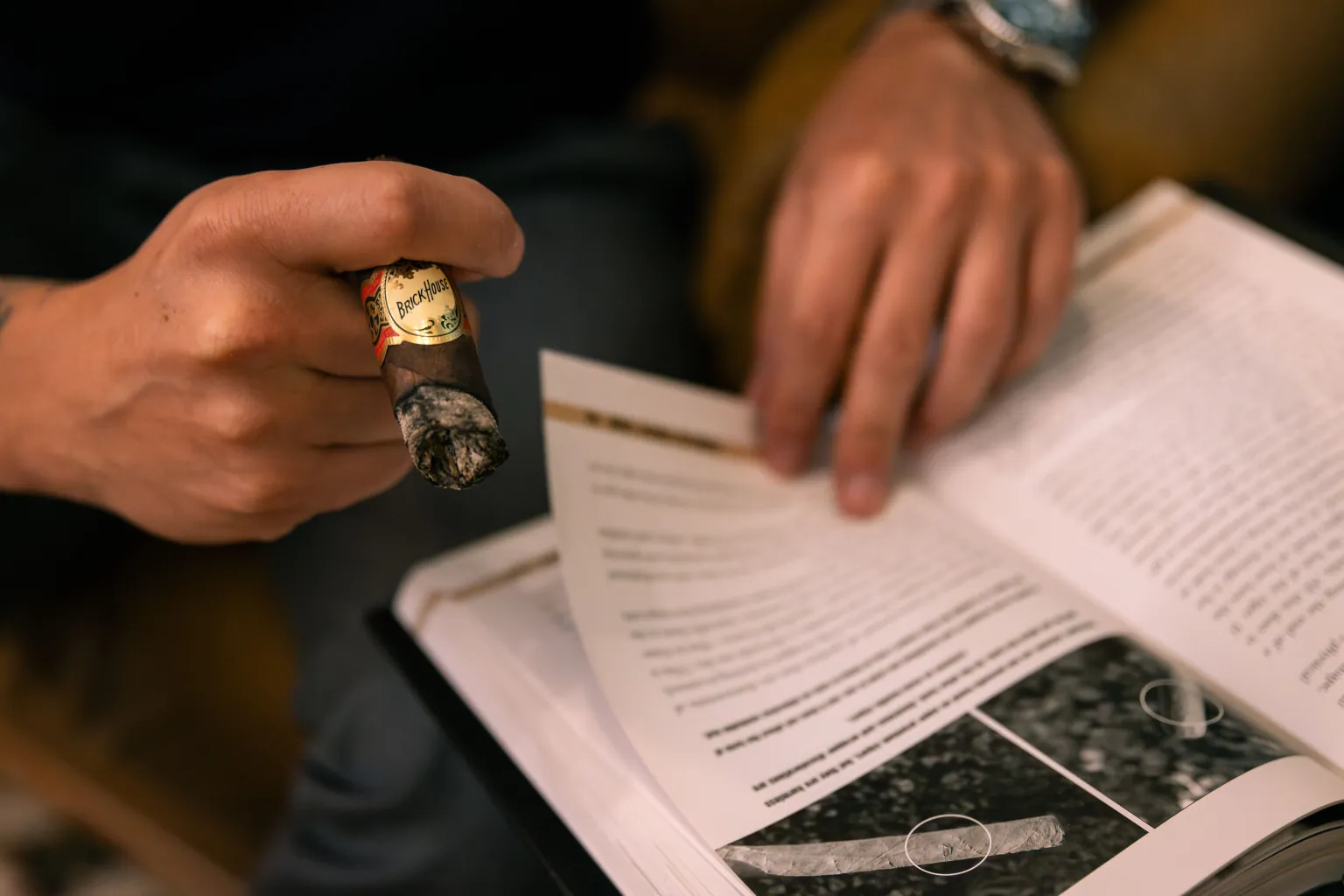
Premium cigars for beginners can feel more complicated than they really are. Walk into a well-stocked cigar shop and you’ll see different countries, wrappers, sizes, strengths, shapes, and prices. You don’t need to understand all of them before enjoying your first cigar.
A good first experience comes down to a few practical decisions: choosing a cigar that fits your taste, buying it from a retailer that stores it correctly, cutting and lighting it properly, and smoking it slowly. This guide covers those fundamentals without assuming you already know the terminology.
What makes a cigar premium?
A premium cigar is made from fermented cigar tobacco selected and blended for a specific smoking experience. Most premium cigars are handmade and use long-filler leaves, a binder leaf, and an outer wrapper leaf.
The filler forms the center of the cigar and usually combines several tobacco leaves. The binder holds that filler together. The wrapper is the finished outer leaf you see and touch. Each part affects how the cigar burns and tastes.
That construction is only one part of the story. Growing, curing, fermenting, aging, sorting, blending, and rolling the tobacco all require time and skilled work. Our detailed guide to how cigars are made explains the complete process.
How to choose your first premium cigar
When someone new visits Cigar Grail, I don’t start by asking which famous brand they recognize. I want to know what kind of experience they’re looking for.
These four questions usually narrow the choices quickly:
- Do you want something mild, medium, or strong?
- What flavors do you already enjoy in coffee, food, chocolate, or drinks?
- How much time do you’ve?
- What price range feels comfortable?
You don’t have to find a perfect answer to every question. They simply give the person helping you a useful starting point.
Start with an approachable strength
Many beginners are most comfortable with a mild or mild-to-medium cigar because it’s less likely to feel overwhelming. Connecticut Shade wrappers are common in this range, but wrapper color alone doesn’t determine strength.
I started with fuller-bodied cigars myself, so I don’t believe every beginner must begin with the mildest cigar available. The better rule is to choose something balanced and well constructed that matches your tolerance and curiosity. If you’re unsure how nicotine will affect you, start conservatively and smoke after eating.
Think about flavors you already enjoy
Cigar descriptions often mention cedar, cream, pepper, cocoa, coffee, nuts, earth, leather, toast, or baking spice. These notes are comparisons, not added ingredients in a traditional premium cigar.
If you enjoy light-roast coffee, toasted nuts, and creamy flavors, an approachable Connecticut-wrapped cigar may make sense. If you prefer dark coffee, bittersweet chocolate, black pepper, and richer food, you may enjoy something with more body.
You aren’t expected to identify every flavor. At first, focus on whether the cigar feels smooth or sharp, sweet or dry, light or rich, and whether you enjoy the overall balance.
Interactive flavor map
Not sure where to start? Take the five question quiz
Answer five quick questions and the flavor map matches you to a country and a cigar we carry.
Choose a size that fits your available time
Cigar size affects smoking time and the way a blend presents itself. A smaller cigar may take around 30 to 45 minutes. A Toro commonly takes about an hour or longer, depending on how slowly you smoke. Very large cigars can require considerably more time.
For a first cigar, choose something you can finish without rushing. A Robusto, Corona, or Petit Corona is often manageable. Our cigar size chart explains length, ring gauge, and the most common formats.
Set a comfortable budget
You don’t need the rarest or most expensive cigar in the humidor. Premium cigars exist at many prices, and an expensive cigar isn’t automatically the right first cigar.
Start with a price that lets you concentrate on learning rather than worrying about wasting the cigar. Good construction, proper storage, and a blend suited to your taste matter more than buying an impressive label.
Cigar strength isn’t the same as flavor
Strength describes how much nicotine impact you feel. Flavor intensity describes how pronounced the taste is. Body usually describes the weight, richness, and texture of the smoke.
A mild cigar can still have clear flavors of cream, cedar, nuts, and sweetness. A stronger cigar can be balanced and smooth. Likewise, a dark wrapper doesn’t guarantee a strong cigar, and a pale wrapper doesn’t guarantee a mild one.
This distinction matters because many beginners say they want a mild cigar when they actually mean smooth. A knowledgeable retailer can help separate those ideas and find something flavorful without making the experience uncomfortable.
Why proper cigar storage matters
Even a well-made cigar can smoke poorly if it has been stored incorrectly. A dry cigar may crack, burn hot, and taste harsh. An overhumidified cigar may feel swollen, draw tightly, require frequent relights, or burn unevenly.
A properly stored cigar should generally feel firm with a little resilience. It should not feel brittle, spongy, or visibly damaged. Natural variations exist, so this isn’t a perfect test, but obvious cracking or excessive softness deserves attention.
Storage is one of the fundamentals we take seriously at Cigar Grail. Our inventory is kept under controlled conditions, and online cigar orders are shipped with humidity protection to help the cigars arrive in proper condition.
If you’re preparing a new wooden humidor, don’t put cigars inside it immediately. Follow our guide on how to season a humidor first.
How to cut your first cigar
The head is the end you place in your mouth. Most traditional cigars have a cap that keeps the wrapper from unraveling.
- Find the shoulder where the rounded head begins to straighten.
- Place the cutter just above that line.
- Make one confident, clean cut.
Removing too much can cause the wrapper to unravel. Removing too little can leave the draw restricted. A straight guillotine cutter is usually the simplest choice for a beginner.
How to light a premium cigar
Lighting a cigar is different from lighting a cigarette. The goal is to ignite the foot evenly without scorching one section.
- Hold the flame near the foot without pushing it directly into the tobacco.
- Rotate the cigar while warming or toasting the edge.
- Bring the cigar to your mouth and take gentle puffs while continuing to rotate it.
- Check the foot and carefully touch up any dark areas.
A butane lighter is convenient because the fuel burns cleanly. Cedar spills and long wooden matches can also work well. Avoid rushing the process. An uneven light often creates burn problems later.
How to smoke a cigar slowly
Cigar smoke is drawn into the mouth for flavor and then released. It isn’t meant to be inhaled into the lungs.
Take a gentle puff about every 45 to 60 seconds and adjust based on how the cigar responds. Puffing too frequently makes the tobacco burn hotter, which can create bitterness and hide the flavors you’re trying to enjoy.
Let the cigar rest in the ashtray between puffs. You don’t need to hold it constantly, and you don’t need to knock the ash off after every draw. Allow the ash to develop naturally, then tap it gently when it appears ready to fall.
If the cigar goes out, that isn’t a failure. Remove loose ash, warm the foot, and relight it evenly. A relight is better than overheating the cigar because you’re trying to keep it burning.
Common beginner mistakes
Choosing only by appearance. A dark wrapper may look stronger and a light wrapper may look milder, but appearance alone doesn’t reveal the complete blend.
Cutting below the cap. A deep cut can loosen the wrapper and cause it to unravel. Start conservatively. You can always remove a tiny amount more.
Holding the flame directly against the tobacco. This can scorch the foot and create a harsh first impression. Use controlled heat and rotate the cigar.
Smoking too quickly. This is one of the most common reasons a cigar becomes hot and bitter. Slow down and let the cigar cool between draws.
Smoking on an empty stomach. Nicotine can feel unpleasant, especially for someone without much tolerance. Eat beforehand, stay hydrated, and stop if you feel dizzy, sweaty, or nauseated.
Forcing yourself to finish. You don’t have to smoke a cigar to the last inch. Set it down when the flavor or temperature is no longer enjoyable. A cigar will go out on its own.
A simple first-cigar checklist
- Choose an approachable strength.
- Select a size that fits your available time.
- Buy from a retailer that stores cigars properly.
- Eat beforehand and keep water nearby.
- Cut just above the cap line.
- Toast and light the foot evenly.
- Don’t inhale.
- Puff slowly and let the cigar rest.
- Stop when you’re no longer enjoying it.
The goal is to enjoy the experience
Premium cigars aren’t a test of how much terminology you know. The point is to slow down, pay attention, and enjoy the experience. Your preferences will become clearer as you try different wrappers, origins, sizes, and strengths.
Ask questions, keep simple notes, and don’t worry about having the same opinion as everyone else. The best first cigar isn’t the one with the highest rating or the most famous band. It’s the one that makes you want to learn what to try next.


