How to Cut a Cigar: A Beginner’s Step-by-Step Guide
A clean cigar cut opens the draw without damaging the wrapper. The safest beginner rule is simple: cut less than you think you need.

How to cut a cigar correctly comes down to identifying the capped head, placing a sharp cutter just above the shoulder, and making one clean motion. Remove only enough of the cap to open the draw. Cutting too deeply can cause the wrapper to unravel.
For most beginners, a sharp double-guillotine cutter is the easiest place to start. It works on most traditional cigar shapes, gives you a clear view of the cut, and lets you make a small adjustment if the first cut is too conservative.
Know which end to cut
A cigar has a foot and a head. The foot is the open end where you can see the filler tobacco. That’s the end you light. The head is the closed end you place in your mouth. That’s the end you cut.
Most parejo cigars, meaning cigars with straight sides, have a rounded head covered by one or more small pieces of wrapper called the cap. Look closely and you should see a faint circular seam near the top.
The shoulder is where the rounded head begins to straighten into the body of the cigar. Your cut should stay above that point so enough of the cap remains to hold the wrapper in place.
How much of the cap should you cut?
Start with roughly the top one-sixteenth to one-eighth of an inch on a traditional rounded cap. The exact amount varies because caps and shapes aren’t identical. The better visual rule is to cut just above the cap line or shoulder, not through the side of the cigar.
If you’re unsure, make a shallow cut and test the draw before lighting. You can remove a tiny amount more. You can’t put the cap back after cutting too deeply.
How to make a straight cut
- Inspect the head. Find the cap seam and the shoulder.
- Open the cutter fully. The blades should have enough room for the cigar to sit straight.
- Place the cigar in the opening. Position the blades just above the shoulder.
- Keep the cutter level. A tilted cutter can create an uneven cut.
- Close the blades in one confident motion. Don’t saw, twist, or squeeze slowly.
- Check the edge. Brush away loose tobacco gently and make sure the wrapper remains secure.
- Test the draw. Take a gentle unlit draw. If it feels extremely tight, inspect the cut before removing a small amount more.
A sharp cutter matters. A dull blade can pinch, crush, or tear the cap instead of slicing cleanly. If a cutter begins folding the tobacco or requiring excessive force, it’s time to clean or replace it.
Straight cut, V-cut, or punch?
Straight cut. A straight or guillotine cut removes a thin section across the head and exposes a broad area for airflow. A double-guillotine cutter uses two blades moving toward the center, which helps create an even cut. This is my default recommendation for a beginner.
V-cut. A V-cutter creates a wedge-shaped channel through the cap. It can provide a concentrated draw without removing the entire top of the cap. A guided V-cutter controls the depth, which makes it easy to use on many round-headed cigars.
Punch cut. A punch removes a small circular opening from the center of the cap. It’s compact and helps preserve the cap’s outer edge. The smaller opening can collect tobacco or feel more concentrated, and it isn’t ideal for every shape.
There’s no single best cut for every cigar. Start with a straight cut, then try a V-cut or punch on familiar cigars so you can notice how the draw and mouthfeel change. If you need a cutter, browse our cigar accessories and choose a sharp tool sized for the cigars you smoke.
How to cut a torpedo or pointed cigar
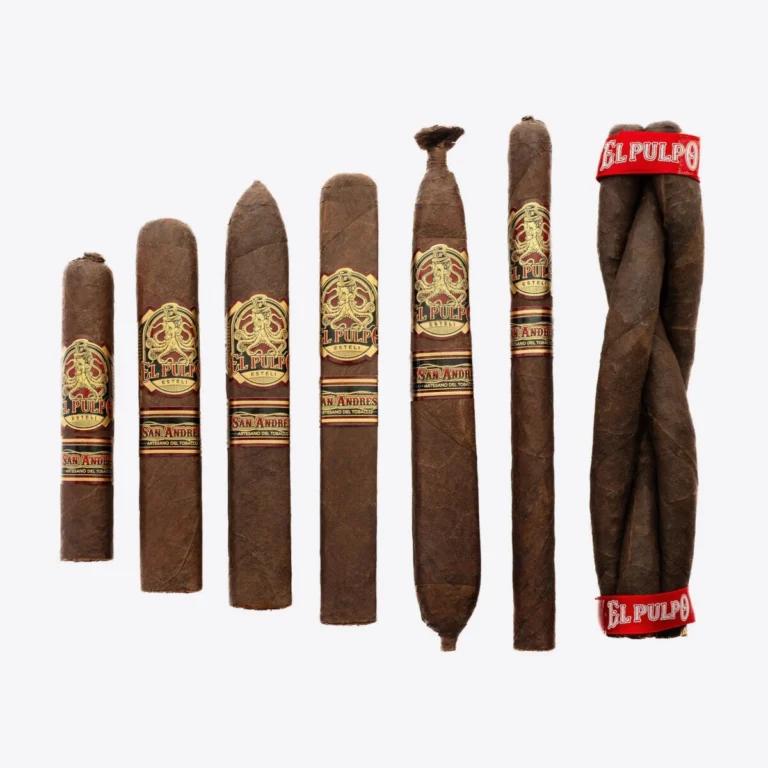
Torpedos, pyramids, and other pointed figurados need a more conservative cut. The taper gives you room to adjust the opening, but removing too much can change how the cigar sits in your mouth and may loosen the wrapper.
- Cut a small section from the tip.
- Test the unlit draw.
- If the draw is too tight, remove another thin section.
- Stop as soon as the airflow feels comfortable.
A straight cut is the simplest method. Some smokers angle the cut slightly to direct smoke toward the palate, but a centered conservative cut is easier when you’re learning.
Common cigar-cutting mistakes
Cutting below the shoulder. This removes too much of the cap and can let the wrapper unravel.
Using a dull cutter. A dull blade compresses and tears tobacco instead of making a clean slice.
Closing the cutter slowly. Hesitation can crush the cap. Align the cigar first, then use one smooth and confident motion.
Twisting the cigar through the blades. The cutter should do the work. Twisting can tear the wrapper or create a ragged edge.
Cutting the foot by mistake. The foot is already open and is meant to be lit. Cut only the closed, capped head.
Trying to create a loose draw. The goal is comfortable airflow, not the widest possible opening. The bunching and construction inside the cigar determine much of the draw.
What to do if the wrapper starts unraveling
Stop handling the loose edge. Repeatedly pulling or rubbing it’ll make the problem worse. If the wrapper is only lifting slightly, a small amount of pectin-based cigar glue can secure it. Some cigar shops keep cigar glue available for minor repairs.
If the cut is badly torn or the wrapper is separating around the head, the cigar may still be smokeable, but it’ll be harder to keep tidy. A sharper cutter and a shallower cut prevent most of these problems.
Cut before or after lighting?
Cut the cigar before lighting it. This lets you test the draw while the cigar is still unlit and correct a shallow cut if necessary. It also keeps you from handling a lit cigar near the cutter.
Once the draw feels comfortable, toast and light the foot evenly. The full beginner process, including choosing a cigar, cutting, lighting, pacing, and storage, is covered in our premium cigar beginner’s guide.
The practical answer
Use a sharp cutter, identify the cap, and cut just above the shoulder in one clean motion. Start shallow and test the draw. For a beginner, a double-guillotine straight cut is the most versatile and forgiving method.