Aging Cigars: What Changes and How Long to Wait
Aging can soften rough edges and integrate a blend, but more time doesn’t guarantee a better cigar. Start with duplicates, stable storage, and written comparisons.
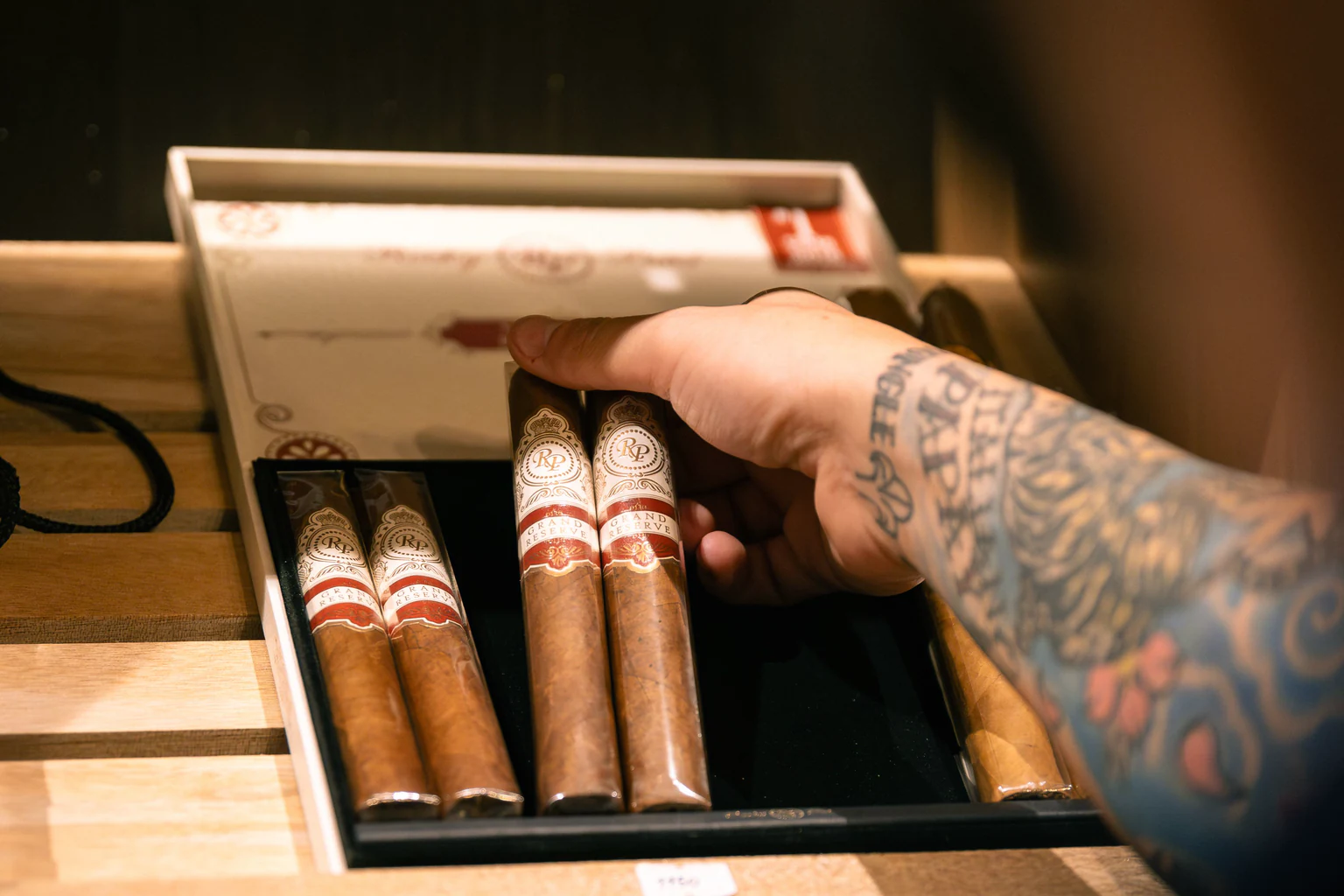
Aging cigars means storing them under stable conditions for months or years to observe how the blend changes. Time can soften harshness, bring the component tobaccos into better balance, and change the finish. It can also mute a cigar that was already delicate.
Don’t assume every cigar needs aging. Premium cigars have already spent time curing, fermenting, resting, and often aging before release. If you enjoy one now, there’s no reason to delay the entire box.
Resting vs. aging cigars
Resting gives a cigar time to recover from shipping and equalize with your humidor. It usually addresses condition rather than intentionally pursuing years of flavor development.
Aging is a longer experiment. You hold cigars under controlled conditions, compare them at planned intervals, and decide whether the changes are improvements for your palate.
| Goal | Typical approach | What you’re evaluating |
|---|---|---|
| Acclimation | Days to several weeks after shipping | Moisture balance, draw, and burn readiness |
| Short rest | Several weeks to a few months | Whether roughness or unsettled character improves |
| Intentional aging | Six months to several years | Balance, aroma, flavor integration, strength, and finish |
| Long term collection | Several years or longer | Whether development continues or begins fading |
These periods are comparison points, not universal schedules. Blend, age at release, storage, packaging, and personal taste all change the result.
What changes when a cigar ages?
The tobacco continues changing after rolling. Residual fermentation aromas can fade, stronger edges may soften, and the wrapper, binder, and filler can taste more integrated.
Strength and flavor aren’t the same. A cigar may feel less aggressive after aging while still carrying deep flavor. Another may lose pepper and intensity without gaining anything you prefer. Use the cigar strength vs. flavor guide when describing those changes in your notes.
Do all cigars improve with age?
No. Aging changes a cigar, but change isn’t automatically improvement. A blend that feels rough or disjointed may benefit from time. A balanced mild cigar may become flatter as delicate aromas fade.
The safest approach is to age cigars you already enjoy and want to understand better. Don’t buy a box you dislike on the assumption that several years will turn it into a different cigar.
Which cigars are worth aging?
- A cigar you enjoy now but believe has room to settle.
- A blend with enough flavor and structure to compare over time.
- A box or group with consistent provenance and storage history.
- A cigar you can buy in multiples without sacrificing the whole supply to the experiment.
- A release you’re willing to revisit even if the result is only different, not better.
Full flavored and robust cigars are often discussed as aging candidates because they may retain character as stronger edges soften. That’s a tendency, not a rule. Mild and medium cigars can also develop well, while some powerful blends simply become quieter.
The easiest aging experiment
- Buy at least three cigars from the same box or production period when possible.
- Record the cigar, purchase date, source, and storage conditions.
- After the cigars acclimate, smoke one and write down flavor, strength, draw, burn, and overall balance.
- Store the remaining cigars together under stable conditions.
- Smoke the second after six or twelve months.
- Compare the same categories rather than relying on memory.
- Keep the final cigar longer only if the changes are useful to you.
This method turns aging into a real comparison. Without duplicates and notes, it’s difficult to separate changes in the cigar from changes in your palate, meal, mood, or smoking conditions.
How to store cigars for aging
Use a humidor or airtight storage system that can remain stable for years. A practical range around 65% to 69% RH works for many collections. Keep temperature cool and consistent, avoid direct sun, and limit unnecessary opening.
Long term storage exposes every weakness in a setup. A small leak, inaccurate hygrometer, or exhausted humidity pack has much more time to affect the cigars. Follow our humidor guide and cigar humidity guide before setting aside a box.
Should cigars age in the box or individually?
Keeping a box together protects the cigars from handling, preserves organization, and makes it easier to track a group with the same history. The box must still sit inside controlled storage.
Individual cigars are easier to sample over time. Keep their bands on and use a dated divider, bag, or inventory record so you don’t lose the comparison. Don’t seal cigars in an ordinary bag for years without a dependable humidity system.
Should you leave cellophane on?
Either choice can work. Cellophane protects the wrapper from handling and slows direct aroma exchange while still allowing gradual moisture movement. Removing it gives the cigar more direct contact with the humidor environment.
For a mixed collection, leaving cellophane on provides useful physical protection. For a controlled box comparison, keep the cigars in the same condition so cellophane isn’t another changing variable.
How long should you age cigars?
Start with six to twelve months if you want a comparison you can realistically complete. If the second cigar is more balanced or interesting, keep another for a later checkpoint. If it’s flatter, smoke the remaining cigars rather than assuming more years will reverse the direction.
Some collectors keep cigars for five, ten, or more years, but long age isn’t a quality requirement. Storage history and the cigar’s development matter more than the number written on a date label.
Signs aging is helping
- Harsh or sharp edges have softened without erasing the core flavor.
- The wrapper, binder, and filler feel more integrated.
- The aroma and finish have become clearer or more balanced.
- The cigar remains flavorful while feeling less aggressive.
- Your written comparison shows a change you actually prefer.
Signs you may have waited too long
- The flavor has become faint or indistinct.
- The cigar has lost the pepper, sweetness, or body you liked.
- Additional checkpoints show no useful development.
- Storage problems have introduced dryness, excess moisture, mold, or wrapper damage.
Age can’t compensate for bad storage. If you’re unsure whether a cigar has been preserved correctly, use our guide on how long cigars last to inspect its condition.
The practical answer
Age cigars as a controlled comparison, not as a guarantee. Keep several of the same cigar, record a baseline, maintain stable storage, and revisit them at planned intervals. Stop waiting when the cigar reaches the balance you prefer or begins losing the character you wanted to preserve.